Chinese dry-lacquer
sculpture.
Discover the materials, history and living traditions of Buddhist sculpture made with lacquer and cloth.
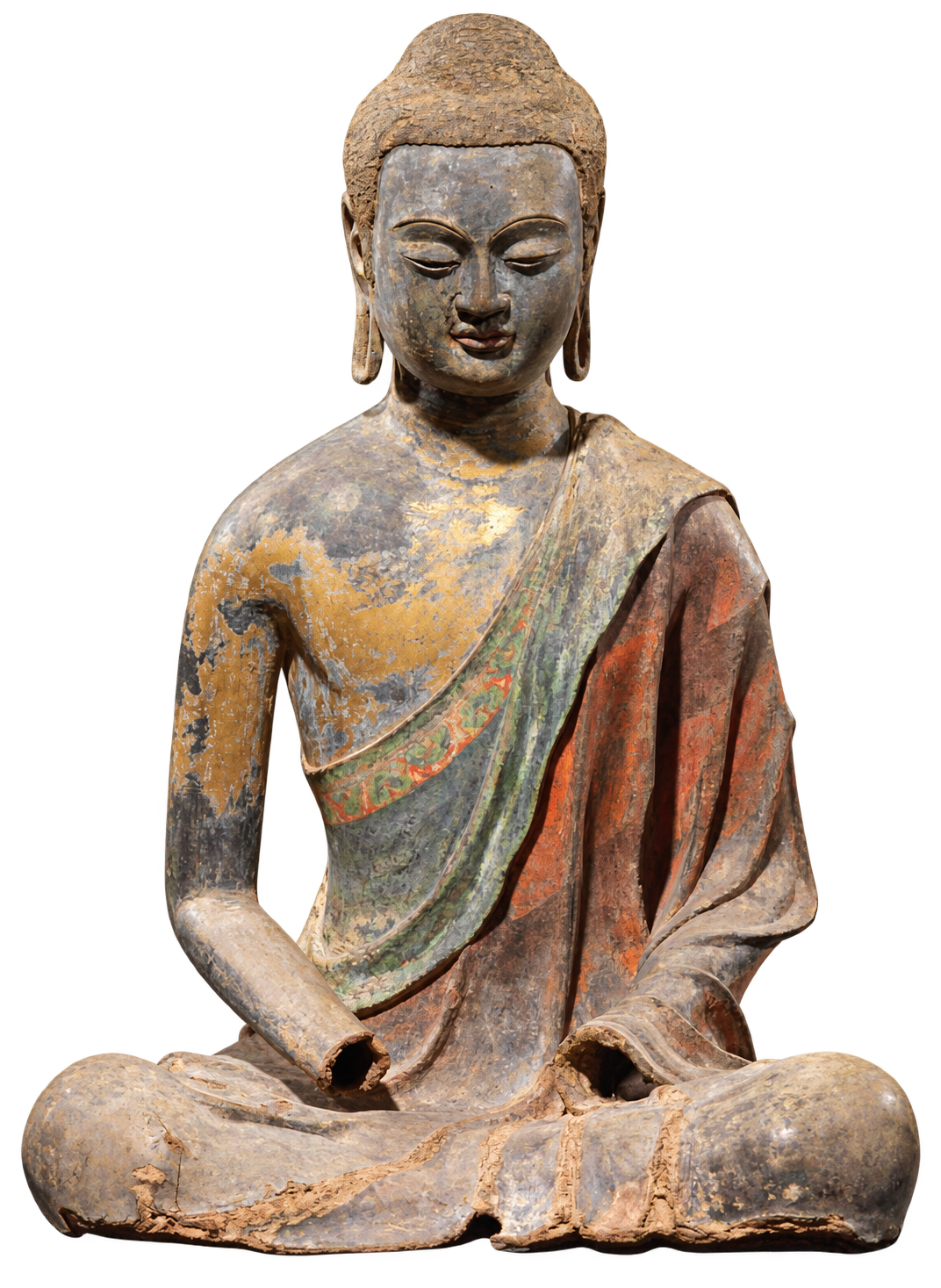
The Met · 19.186
The Craft
Lacquer. Cloth. Form.
In dry-lacquer sculpture, cloth and lacquer help build a body that can be shaped and decorated. Some works retain a wooden core; others are hollow.
Look inside the structure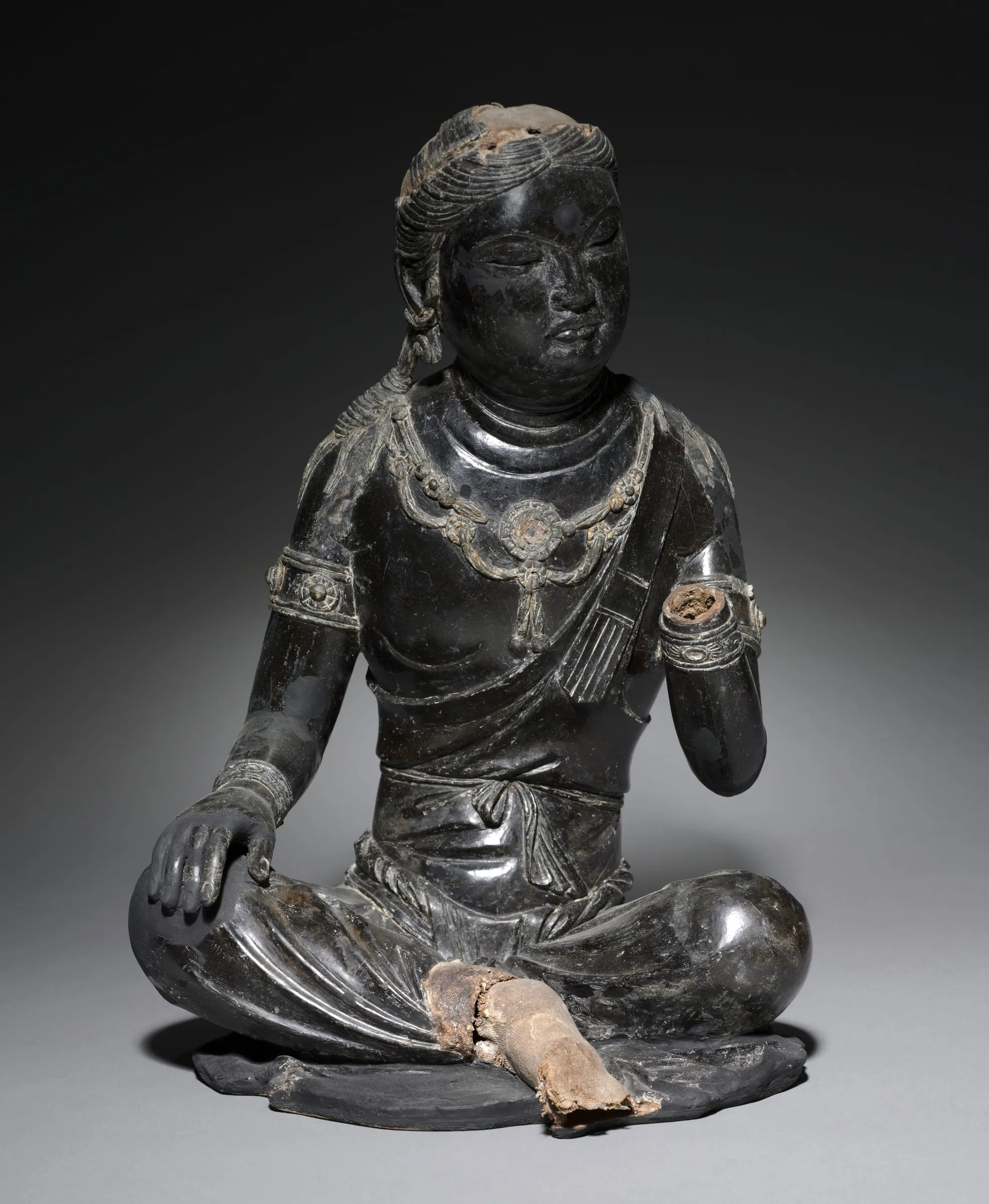
Historic Works
A history in objects.
Four museum records offer a starting point. Each object has its own date, construction and conservation history.
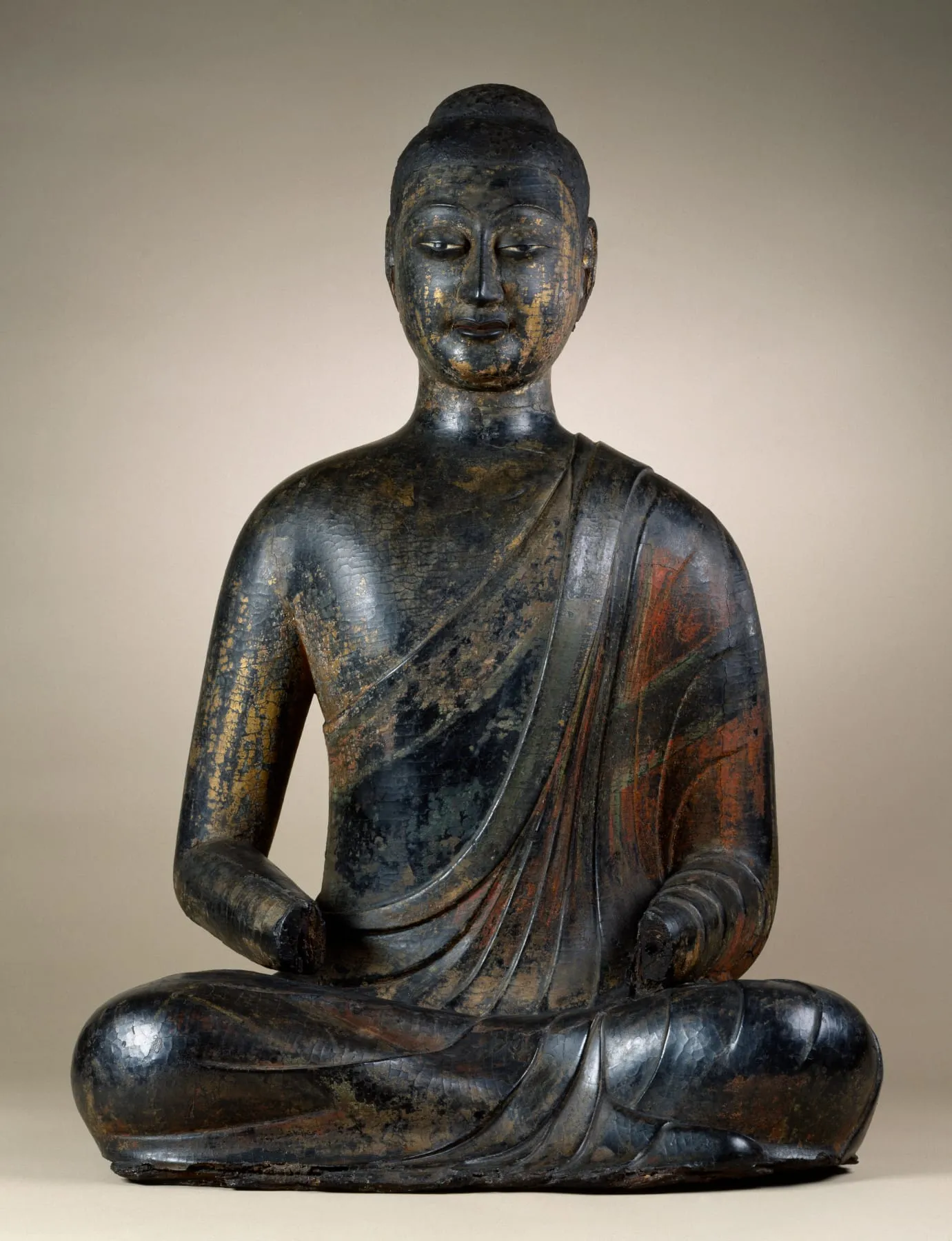
- c. 590The Walters Buddha preserves a wooden core beneath its lacquer surface.
- 7th centuryThe Met Buddha offers an early example of hollow dry-lacquer construction.
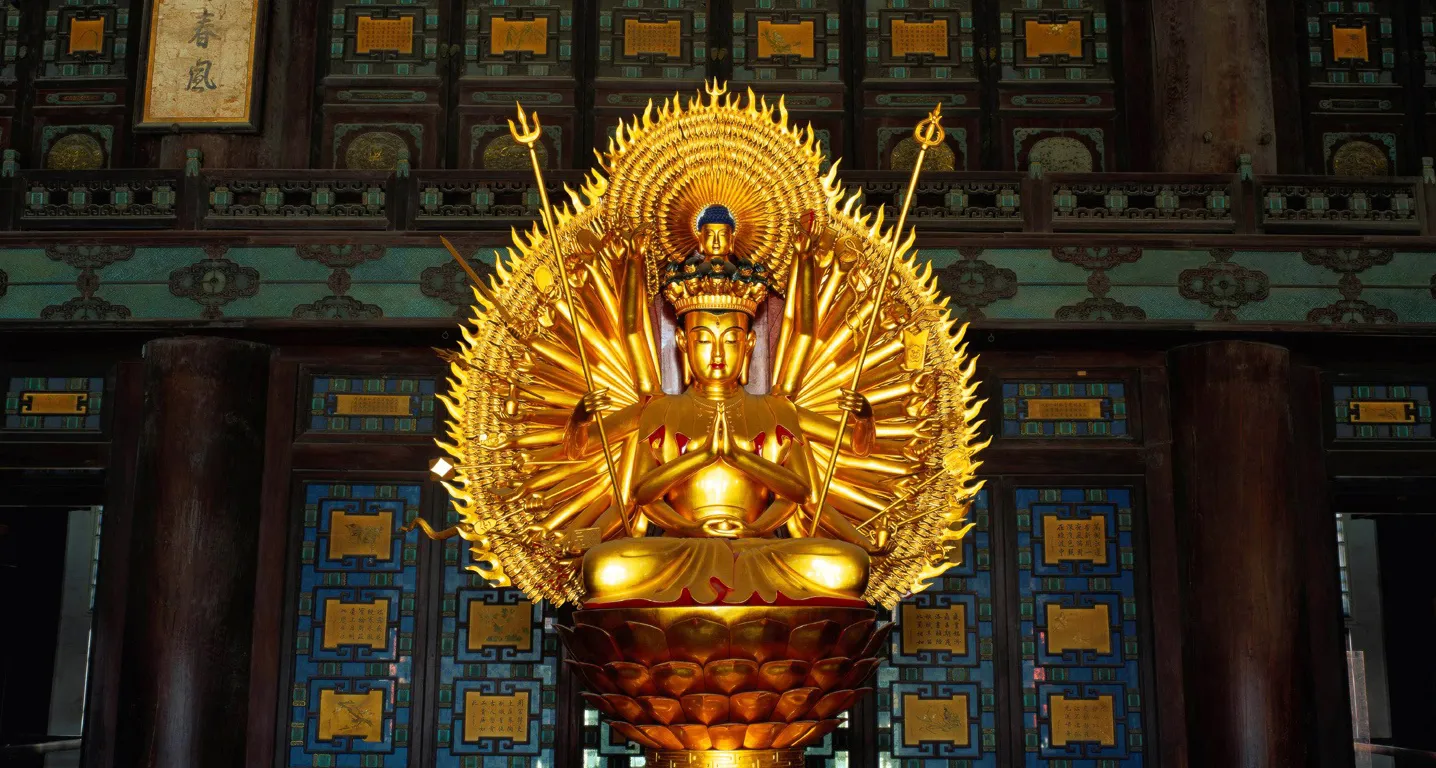
- TodayIn Tiantai, practitioners continue making sculpture and teaching the craft.
Living Tradition
A craft still being taught.
Meet Tang Chunfu and explore the making, documentation and teaching of dry-lacquer and ramie sculpture in Tiantai.
Living tradition