History & Culture

A history in
objects and texts.

Surviving sculpture, archaeological finds and written accounts tell different parts of this history. Read them together, with attention to what each can establish.

  1. Early lacquer traditions

    A broader material history

    Textile-supported lacquerware forms part of the background to later sculpture. Early lacquer use alone does not date the beginnings of dry-lacquer Buddhist images.

    Explore the evidence ↗
  2. 4th-century accounts

    Images known through later texts

    Later accounts describe five portable images associated with Dai Kui. Their construction is interpreted from the texts; the images themselves do not survive.

    Explore the evidence ↗
  3. c. 590

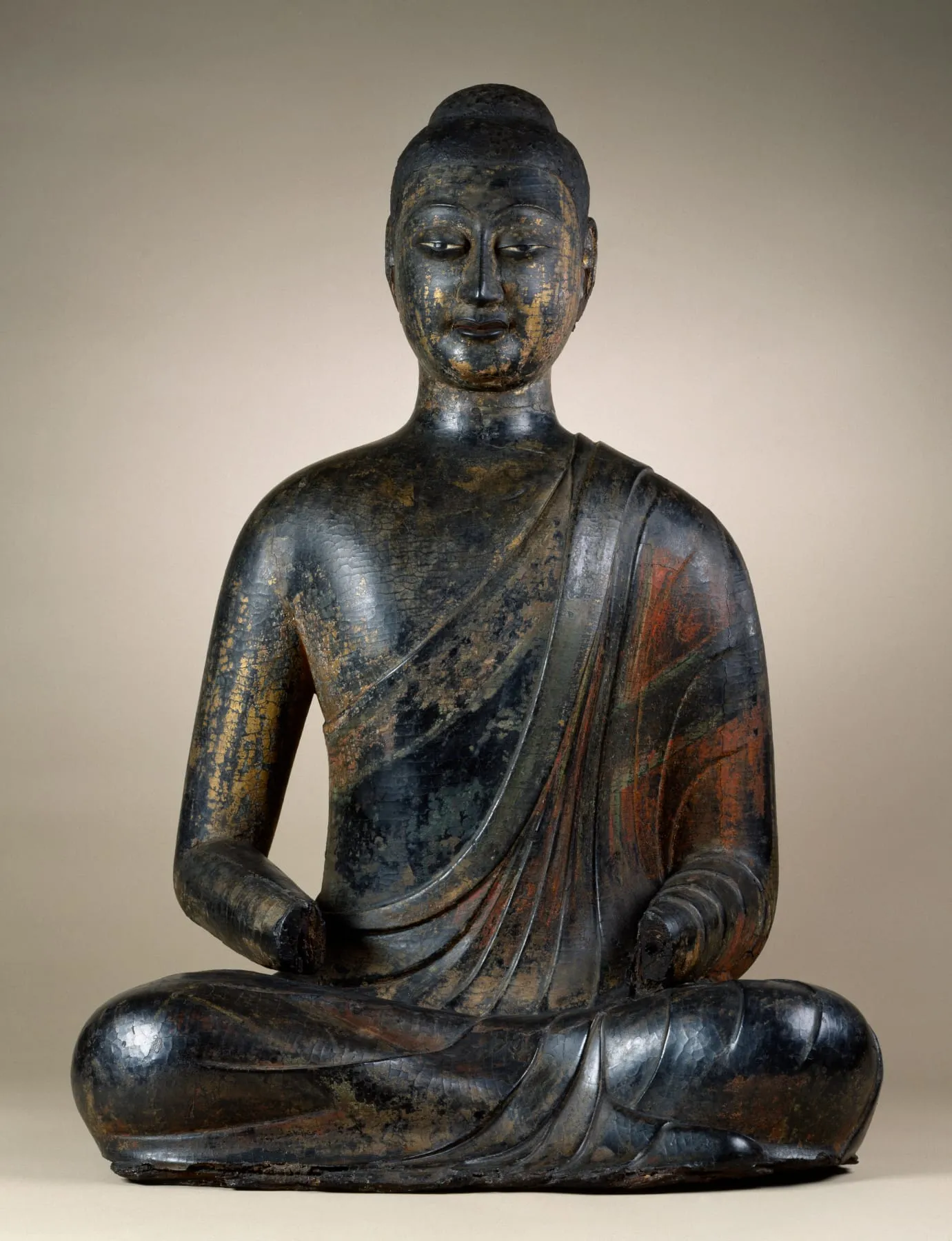
    A surviving wooden-core Buddha

    The Walters Buddha provides an identifiable early example whose internal construction has been studied.

    Explore the evidence
  4. 7th–8th centuries

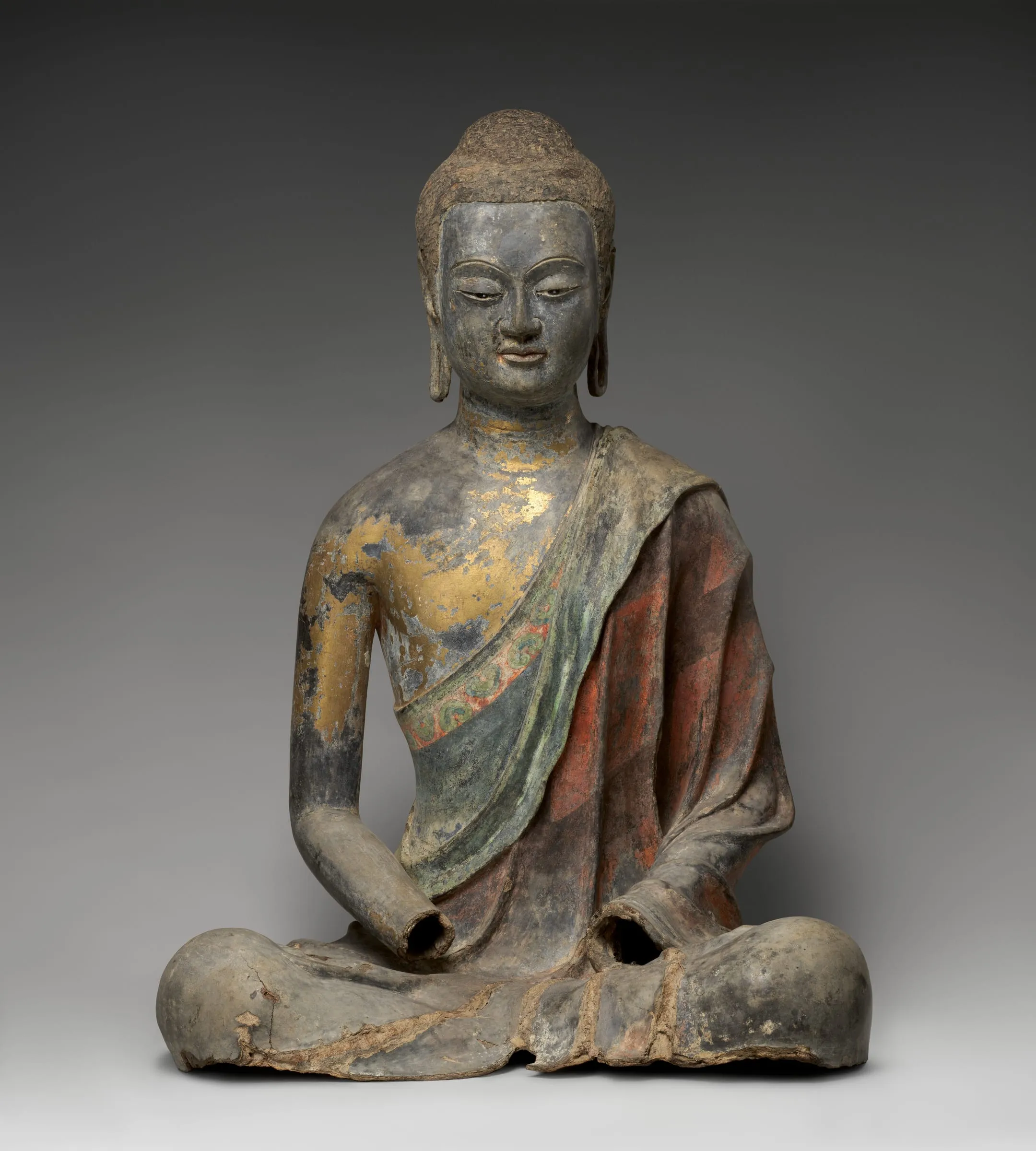
    Early Chinese dry-lacquer sculpture

    The Met Buddha and Cleveland bodhisattva show surviving forms of the technique. Technical and conservation studies add evidence beyond their visible surfaces.

    Explore the evidence
  5. Late 14th–15th century

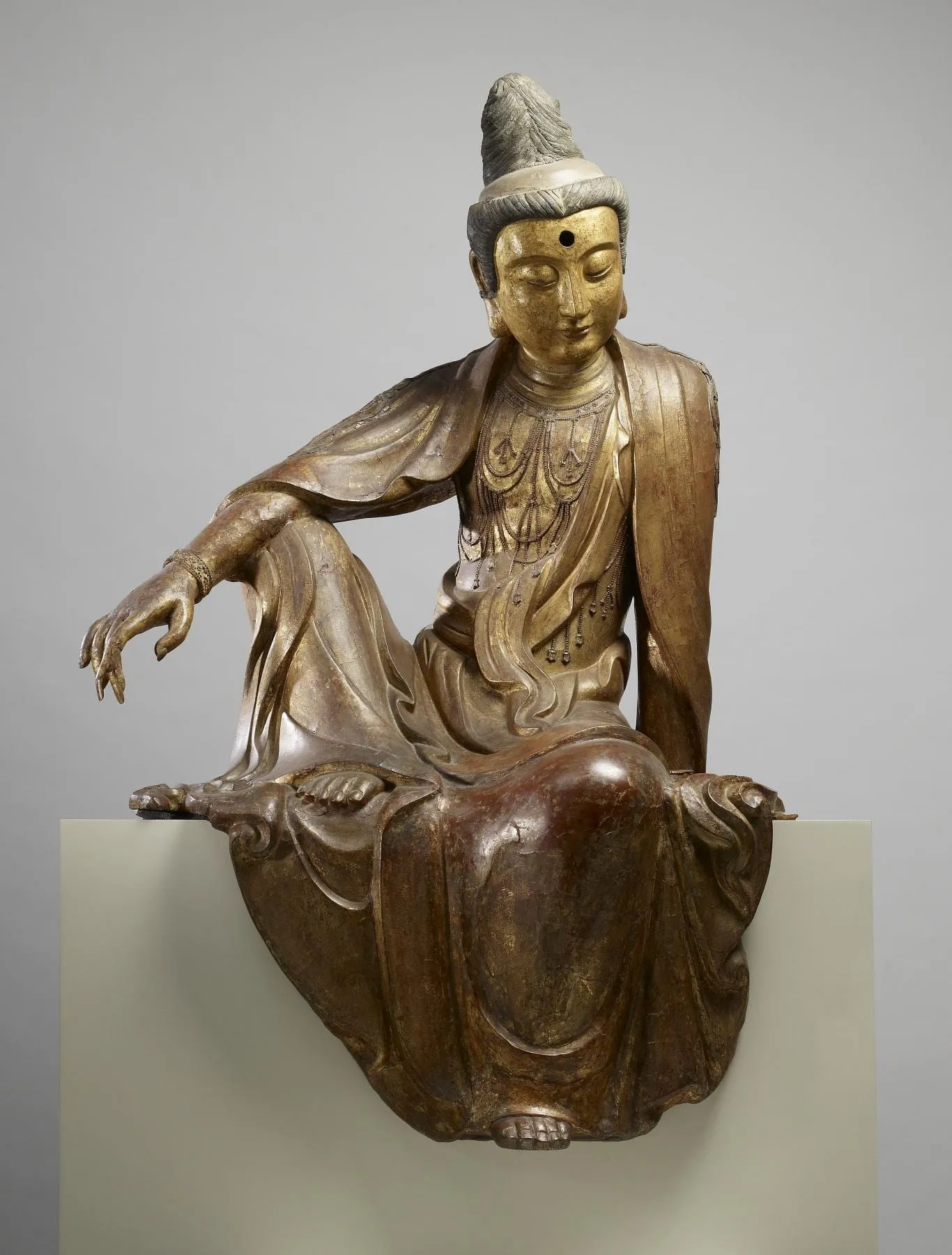
    A later Guanyin

    The Walters Guanyin is catalogued to this later period. Its hollow structure provides a useful comparison with earlier sculpture.

    Explore the evidence
  6. 2006

    Tiantai heritage designation

    The Tiantai Mountain dry-lacquer and ramie craft entered China’s first national intangible cultural heritage list as project VIII-53.

    Explore the evidence ↗

Buddhist sculpture.

Many surviving examples depict Buddhas and bodhisattvas. Their identities, poses and decoration belong to particular religious and artistic settings. The Met’s identification as Amitabha remains qualified as “probably”.

Look at the figures

Across East Asia.

Chinese and Japanese lacquer sculpture can be studied through objects, workshop practices and Buddhist exchange. Their histories involve several routes and periods of contact.

Lacquer and Buddhist Sculpture in East Asia ↗